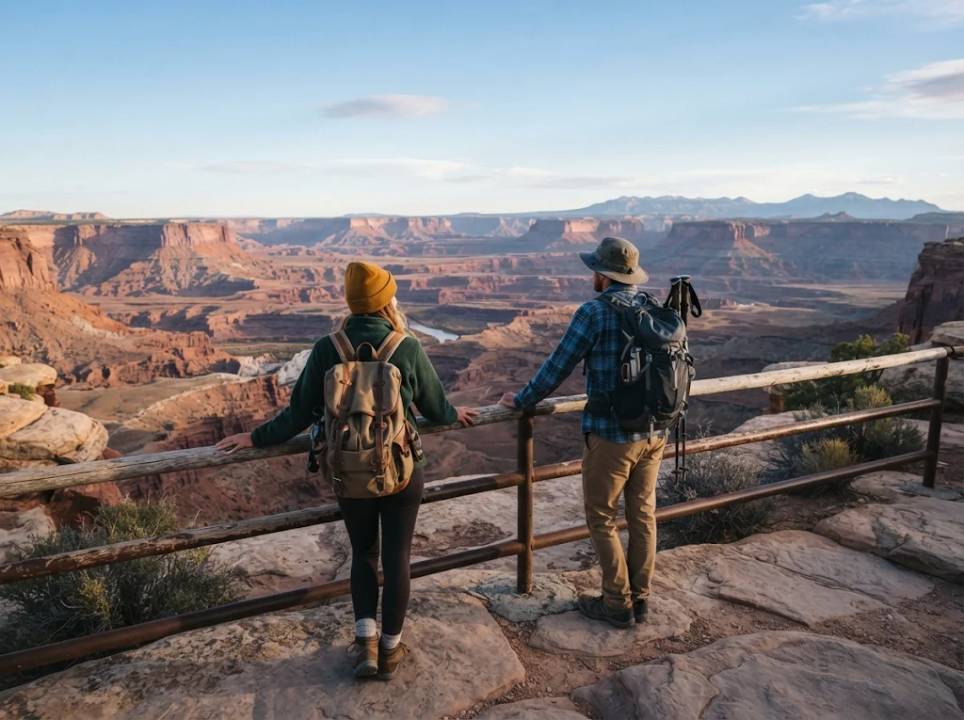
The United States is so large that a single trip cannot cover it. Distances are long, climates differ and each state has its own laws, food and scenery. A multi state road trip is one of the best ways to see the country, but it needs planning. This guide walks through the process step by step: choosing a route, setting a realistic budget, booking places to stay, preparing the car and documents, visiting national parks, eating well and staying safe. It is written for first-time visitors and for Americans who want to explore beyond their own region.
Choose a Route With Realistic Distances
Start by listing the places you most want to see, then connect them in a logical line. Check driving times with a map tool and add extra for traffic, fuel stops and photos. A comfortable limit is four to six hours of driving per day. A route that looks short on a map can take a full day when mountains, deserts or storms are involved.
Plan fewer stops with more time in each, because the joy of a road trip comes from places you explore, not miles you cover.
Set a Budget Early
Main costs include car rental or fuel, accommodation, food, park fees and activities. Gas prices and hotel rates vary by region and season. Build a daily budget and keep a buffer of ten to fifteen percent. Eating one big meal at midday and picnicking in the evening saves money.
Track expenses with a simple app so you can adjust as you travel.
Book Accommodation and Parks in Advance
Popular destinations fill up months ahead, especially in summer and holidays. Reserve lodging and park permits early, and choose refundable options when possible. Information about entrance fees, passes, closures and safety is available on the National Park Service website.
Keep a printed or offline copy of confirmations in case signal is weak.
Prepare the Car
Check tires, oil, brakes, lights and fluids before leaving. Carry a spare tire, jumper cables, a first aid kit, water and snacks. If you rent a car, read the insurance terms and mileage rules. Download offline maps, since cell coverage disappears in remote areas.
Learn local rules, such as speed limits, right turn on red and school bus laws.
Documents and Language Tips for Visitors
International visitors should check visa or travel authorization requirements, passport validity and driving license rules. Some states recommend an international driving permit. Travelers from Scandinavia and other countries may like to have important documents translated, and norwegian translation services can help with permits and insurance papers.
Learn a few American expressions, because road signs and menus often use shortcuts you may not know.
Health Insurance and Medical Needs
Medical care in the United States is expensive, so travel insurance is essential. Carry prescriptions in original packaging and a short list of conditions and allergies. Our guide on medical document translation explains how to prepare health records for use abroad.
Know where the nearest hospital is when you hike or drive in remote areas.
Eat Regional Food
Every region has specialties: seafood in New England, barbecue in Texas and the Carolinas, chili and tacos in the Southwest, deep dish pizza in Chicago. Ask locals for recommendations, and try small diners and farmers markets. Check opening hours, since small towns may close early.
Tipping is customary, usually fifteen to twenty percent in restaurants.
Stay Safe and Respectful
Lock the car, keep valuables out of sight and avoid driving when tired. In national and state parks, stay on trails, keep distance from wildlife and follow fire rules. Be polite and patient in rural communities, and leave places cleaner than you found them.
Share your route with family or friends, and check weather alerts every morning.
Make Time for Small Towns
Some of the best memories happen away from famous sights. Small towns have local museums, bakeries, murals, festivals and friendly conversations. Stop for an hour when something looks interesting, and ask about local events. Visit visitor centers for free maps and tips. These unplanned stops give a sense of everyday life and often become the stories you tell afterward.
Keep your schedule flexible enough to accept an unexpected invitation or a beautiful detour.
Seasons and Weather
Summer is hot in the desert and crowded in national parks. Spring and autumn offer milder temperatures and colorful scenery, while winter closes some mountain roads. Check seasonal closures, and carry layers, sun protection and water. Weather can change quickly in mountains, so plan alternatives for rainy or snowy days.
Shoulder seasons are often the best time for quiet trails and lower prices.
After the Trip
Back up photos, write down favorite places and share tips with friends. Review your budget to learn what you would change next time. Keep receipts for expenses that may be refundable, such as taxes or deposits. A short travel journal makes it easy to plan the next adventure and to help others who ask for advice.
Every road trip teaches something about the country and about yourself.
Choosing Which States to Combine
Group states that share a theme and a reasonable driving distance, such as the Pacific coast, the desert Southwest, the Deep South or New England. A theme makes packing, music and food choices easier, and it helps you tell a coherent story afterward. Avoid crossing the country in a week, because most of the time would be spent in the car.
If you have only ten days, choose a loop that starts and ends at the same airport, which usually lowers rental costs.
Rental Cars and One Way Fees
Compare prices for pick up and drop off in different cities, and read the mileage, insurance and young driver rules. One way rentals can include large fees, so check the total. Inspect the car for damage before leaving the lot, and photograph it.
Ask about toll payment options, since many highways use electronic systems.
Camping, Motels and Local Stays
Campgrounds, motels and family run inns offer variety and savings. National park lodges fill up fast, but nearby towns have more choices. Read recent reviews about cleanliness and noise, and confirm check in times when arriving late.
Staying in small towns also puts you close to local restaurants and stories.
Music, Podcasts and Books for the Road
Prepare playlists, audio books and podcasts about the regions you cross. Learning history and geography as you drive makes the miles meaningful. Download files in advance for areas without signal.
Take turns choosing the soundtrack to keep everyone happy.