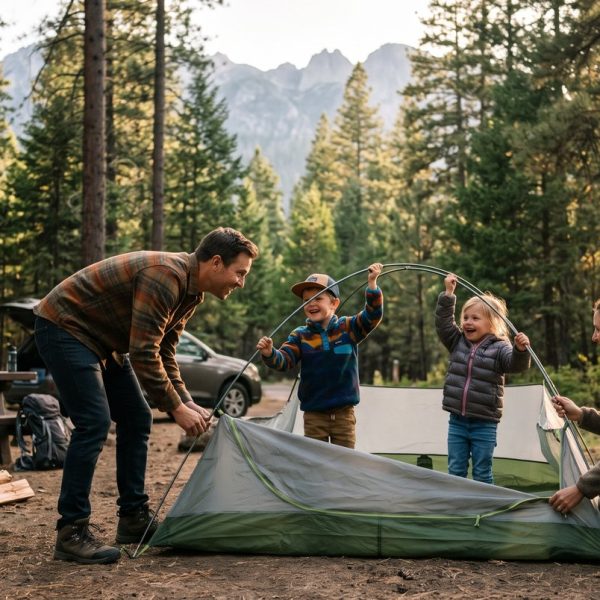
For many families, the first camping trip is a small adventure that everyone remembers for years. The kids talk about the tent, the campfire and the sound of the woods at night long after the trip is over. For parents, though, the planning can feel like a lot. Where should you go? What do you pack? What if the kids hate it?
The family and lifestyle blog Times Bay has a helpful guide to camping with kids, built around a few simple ideas: pick the right style of camping, plan together, keep the kids busy with nature activities and save the memories. This article takes those Times Bay tips and adds practical advice for camping in the United States, from booking a site to staying safe.
Start Small and Pick Your Camping Style
Times Bay suggests choosing a camping style that fits your children's ages, interests and comfort level. That is good advice, because there is no single right way to camp with kids. Here are the three most common options:
- Backyard camping: Set up the tent at home for one night. If someone gets scared or cold, the house is a few steps away. It is the perfect test run.
- Family campgrounds: Drive-in sites with restrooms, running water and other families nearby. This is the easiest real camping trip for most parents.
- Glamping: Cabins, yurts or furnished tents with real beds. Great for families with babies or anyone who is unsure about sleeping on the ground.
If you have never camped before, start with a backyard night, then try one or two nights at a campground close to home.
Choosing a Campground in the US
The United States has thousands of places to camp, from small state parks to famous national parks. For a first trip with kids, look for a campground that has:
- Flush toilets and running water
- Parking right next to your site, so you are not carrying gear far
- Short, easy trails nearby
- A playground, lake or creek where kids can explore safely
- A camp host or ranger station in case you need help
Popular campgrounds fill up months ahead, especially on summer weekends and holidays. Book early, or plan your first trip for a weekday or the shoulder season in spring or fall, when sites are easier to get and the weather is milder.
Let the Kids Help Plan and Pack
One of the best points in the Times Bay guide is to involve children in planning and packing. Kids who help choose the campground, plan the meals and pack their own bag feel excited instead of dragged along. Give each child a small backpack and a simple checklist. Let them pick one comfort item, like a favorite stuffed animal or book, and one snack for the trip.
A Simple Family Packing List
- Shelter and sleep: tent, sleeping bags rated for the night temperature, sleeping pads, pillows
- Clothing: layers, rain jackets, warm hats, extra socks, sturdy shoes
- Light: a headlamp or flashlight for every person, plus spare batteries
- Kitchen: camp stove, fuel, pot, plates, cups, utensils, cooler, water jugs
- Health and safety: first aid kit, sunscreen, insect repellent, any medicines
- Fun: cards, a ball, a magnifying glass, a notebook and colored pencils
Pack simple meals. Hot dogs, foil-packet dinners, pancakes and oatmeal are easy to cook, and kids love them. And of course, bring everything you need for s'mores.
Activities That Keep Kids Busy
Times Bay recommends short trails, campfire stories, stargazing, bug exploring and nature art. All of these work well because they are simple and use what is already around you. A few more ideas:
- A scavenger hunt for pinecones, feathers, smooth rocks and different leaves
- Making a nature bracelet with tape, sticky side out, and collecting small finds
- Learning one new constellation each night
- Skipping stones at a lake
If you camp in or near a national park, ask the visitor center about the Junior Ranger Program. Kids complete a short activity book, learn about the park and earn a badge. Many children treasure that badge more than any souvenir from the gift shop.
Safety Basics for Families
A few rules keep everyone safe and calm:
- Never leave a campfire alone, and keep kids a big step away from the fire ring.
- Store food and trash in your car or a bear box. Never keep food in the tent.
- Check everyone for ticks after hikes, especially behind the ears and knees.
- Give each child a whistle and teach them to stay put and blow it if they get lost.
- Agree on simple boundaries, like staying where they can see the tent.
It is also a good time to teach children about Leave No Trace, a set of outdoor principles that includes packing out your trash and leaving plants and animals alone. Kids usually love being given the job of "trail protector."
Make Memories That Last
The Times Bay guide ends on a lovely idea: stay flexible, enjoy the unplanned moments and have each child keep a trip journal or souvenir. Things will not go perfectly. It might rain, the pancakes might burn and someone might wake up at 5 a.m. Those are often the stories your family will laugh about later.
Bring a notebook for each child. Let them draw the tent, write down the animals they saw and tape in a leaf or a ticket stub. Take photos, but also put the phone away for long stretches and simply be together.
Ready for Your First Campout
Camping with kids does not need to be complicated. Start small, choose a family-friendly campground, plan and pack together, keep the activities simple and follow a few safety rules. With the ideas from Times Bay and a little preparation, your first family campout can become the start of a tradition your kids will ask for every year.